





Metaverse Bombshell: NETFLIX Acquires Ready Player Me—What Does This Mean for Metaverse Platforms Using Ready Player Me Avatars?
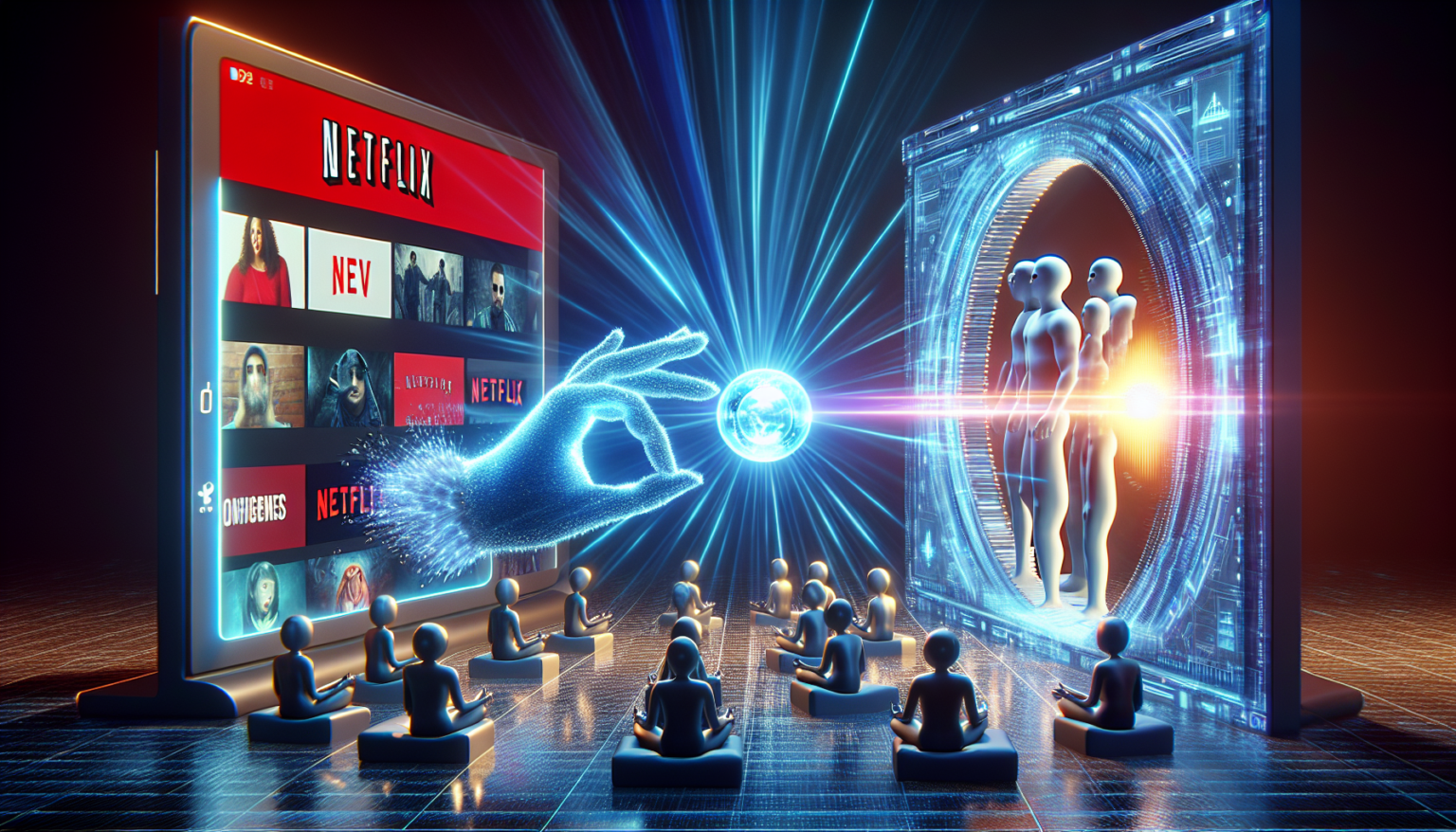
In a groundbreaking move that sent ripples through the tech and entertainment sectors, Netflix has officially acquired Ready Player Me, a leading platform specializing in customizable avatars for the metaverse. This acquisition promises to reshape the landscape of virtual worlds, digital experiences, and user engagement in unprecedented ways. As companies scramble to define their roles in the burgeoning metaverse, this partnership raises crucial questions about the future of avatar representation in various platforms leveraging Ready Player Me’s technology.
The Significance of Ready Player Me
Ready Player Me has distinguished itself as a game-changer in the realm of avatars. By enabling users to create personalized, cross-platform avatars, the company has positioned itself as a cornerstone for many metaverse applications—from gaming and social platforms to virtual workplaces. With over 1 million users and partnerships with major companies in the gaming industry, Ready Player Me’s impact has been substantial, allowing seamless interactions across various virtual spaces.
What Does Netflix Bring to the Table?
Netflix’s entry into the metaverse market is not entirely unexpected. The streaming giant has been making moves to expand its reach beyond traditional content by venturing into games and interactive storytelling. By acquiring Ready Player Me, Netflix can harness the power of immersive avatars to enhance user experiences, whether that involves creating custom characters for interactive shows, gaming integrations, or even producing personalized storylines based on user preferences.
The synergy between Netflix’s vast content library and Ready Player Me’s customizable avatar technology sets the stage for innovative interactive content that engages viewers in unprecedented ways. Imagine binge-watching a series where your avatar plays a role alongside your favorite characters or even becomes the protagonist in an interactive narrative uniquely tailored to you.
Impact on Existing Metaverse Platforms
The acquisition raises essential questions about the impact on existing metaverse platforms that currently utilize Ready Player Me avatars. These platforms range from social environments like VRChat to multiplayer games that rely on rich user-generated content to drive engagement. As Netflix’s influence grows, these platforms will need to navigate their relationship with Ready Player Me carefully.
-
Integration and Cooperation: Platforms using Ready Player Me technology will likely continue to integrate its avatar system, but they may need to adapt to new guidelines or features rolled out post-acquisition. Cooperation between Netflix and these platforms could lead to enhanced functionalities, creating a richer experience for users.
-
Competition for Content: With Netflix’s capabilities in storytelling, we may see increased competition for creative resources. Metaverse platforms that currently utilize Ready Player Me might need to innovate further to capture users’ attention, especially if Netflix begins to monetize parts of its avatar ecosystem.
-
User Experience Enhancement: On the upside, users might benefit from improved avatar technology and features as Netflix invests in enhancing Ready Player Me. This could manifest in more robust personalization, enhanced performance, and cross-platform compatibility, paving the way for richer virtual interactions.
A New Era of Digital Avatars
The acquisition is not just a business transaction; it is a clear indication that the metaverse is here to stay. With big players like Netflix making significant moves, the industry can expect increased investments in technology and user experiences, further legitimizing virtual realms as a vital space for interaction, commerce, and entertainment.
For users, the integration of Netflix’s rich storytelling into the metaverse can provide more compelling reasons to engage with digital content. The future could see a landscape where users are no longer passive consumers but active participants in narrative-driven experiences crafted uniquely for them.
Conclusion
As Netflix sets its sights on the metaverse through the acquisition of Ready Player Me, the potential for innovation and engagement in virtual spaces is immense. The ramifications of this move will unfold over time, but one thing is clear: the metaverse is evolving, and with it, our understanding of digital identity, community, and interaction. As platforms using Ready Player Me avatars prepare for this new reality, the stage is set for a thrilling evolution of how we connect in digital spaces. The future of entertainment and social interaction is about to get a lot more interesting.