




Tokenization Expands the Definition of Money: Insights from a Kraken Executive
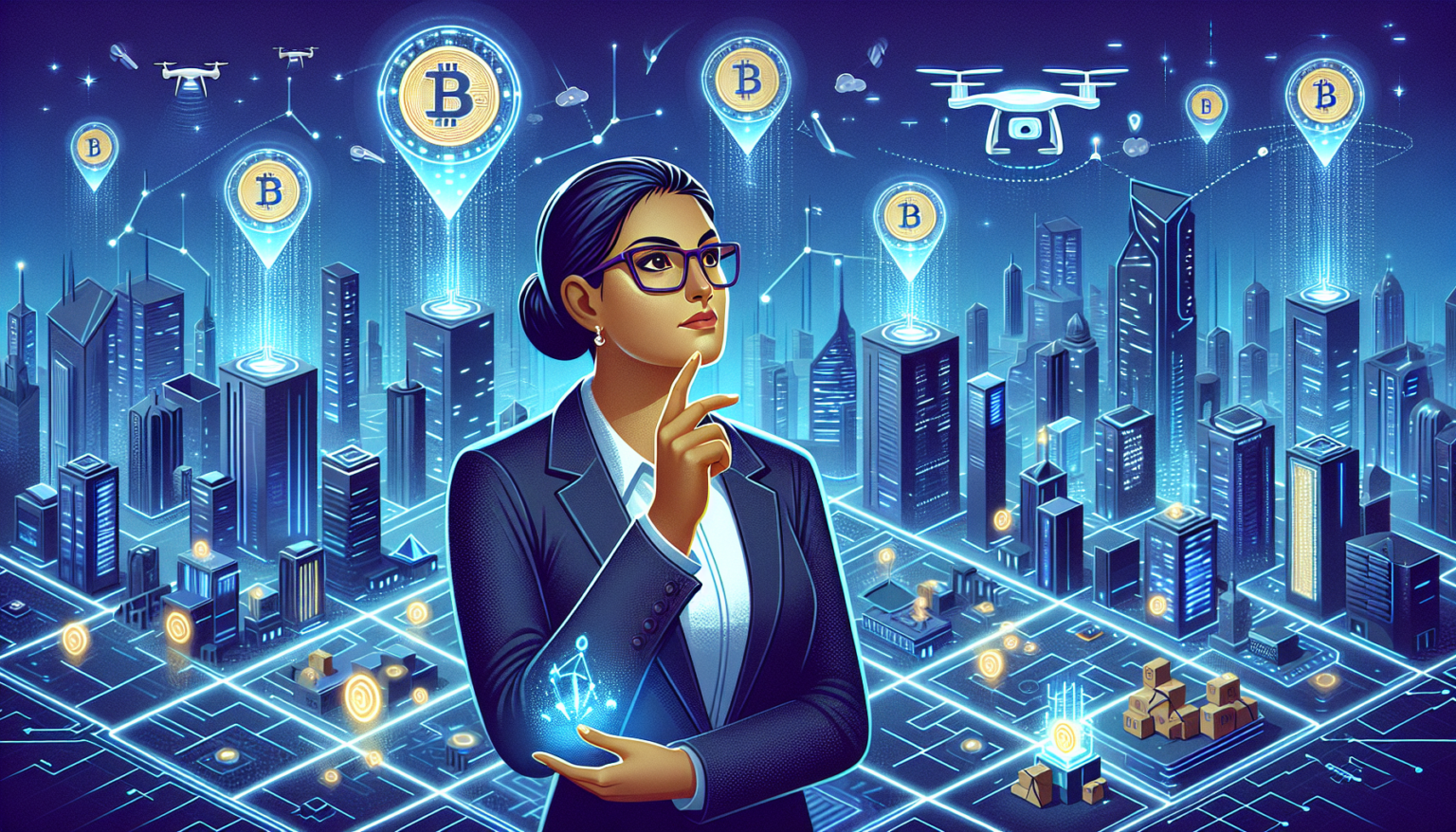
In the ever-evolving landscape of finance, the concept of money is undergoing a profound transformation driven by technological advancements. The rise of tokenization—a process that converts physical or digital assets into tokens on a blockchain—has broadened the traditional definitions of money and value. In recent discussions, a senior executive at Kraken, one of the leading cryptocurrency exchanges, emphasized how tokenization is reshaping our understanding of money and its utility in the modern economy.
Understanding Tokenization
Tokenization refers to the representation of an asset or a right on a blockchain, allowing it to be easily transferred, traded, and analyzed. This could include anything from cryptocurrencies like Bitcoin and Ethereum to tokenized versions of real estate, artwork, or even commodities. By turning these assets into digital tokens, they become more accessible, liquid, and divisible. This shift has sparked a debate about the very essence of money and what it encompasses.
The Traditional Definition of Money
Traditionally, money has had three primary functions: a medium of exchange, a unit of account, and a store of value. Physical cash has long dominated these roles, but as we navigate the digital age, these definitions are being challenged. With the introduction of cryptocurrencies and tokenized assets, the lines are increasingly blurred. According to the Kraken executive, these developments force us to reconsider what money truly is.
Tokenization: A New Era for Finance
The Kraken executive stated that tokenization is not merely a means to digitize currency; instead, it provides a framework for reimagining assets and liabilities themselves. By placing a token on a blockchain, any asset can become liquid, facilitating transactions that, in some cases, could have taken weeks or even months through traditional finance. For example, imagine a tokenized version of real estate that allows ownership to be divided into numerous, easily tradable tokens. This could democratize access to real estate investments, offering liquidity to a market previously closed to many investors.
Bridging Traditional Finance and Decentralized Finance
One of the most significant implications of tokenization is its potential to bridge the gap between traditional finance (TradFi) and decentralized finance (DeFi). Traditional institutions have been cautious about the risks associated with digital currencies, but the potential for tokenization to enhance liquidity and improve access to financial services cannot be ignored. The Kraken executive emphasized that as more traditional financial entities begin to explore tokenization, we are likely to witness an integration of DeFi principles into established financial systems.
Challenges and Risks Ahead
While the prospects of tokenization are exciting, they come with inherent challenges. Regulatory uncertainties, the need for robust security protocols, and questions of market stability loom large. The Kraken executive noted that navigating these challenges requires collaboration between the industry and regulators to establish clear guidelines that protect consumers while fostering innovation.
Conclusion
Tokenization represents a radical shift in how we understand money. As Kraken’s executive pointed out, by expanding the definition of money to include a broad range of tokenized assets, we are on the cusp of a financial revolution. The convergence of TradFi and DeFi, facilitated by the inherent properties of blockchain technology, opens up new avenues for economic growth and inclusion.
As we stand at the intersection of tradition and innovation, it is clear that the future of money will be defined not only by its physical forms but by its digital counterparts as well. Embracing this shift is essential for anyone looking to navigate the complexities of tomorrow’s financial landscape. The era of tokenization is here, and it is poised to redefine wealth, value, and how we transact in the years to come.