






Charles Hoskinson on the TRUMP Token: A Costly Controversy for Crypto and a Bitcoin-Only Crisis
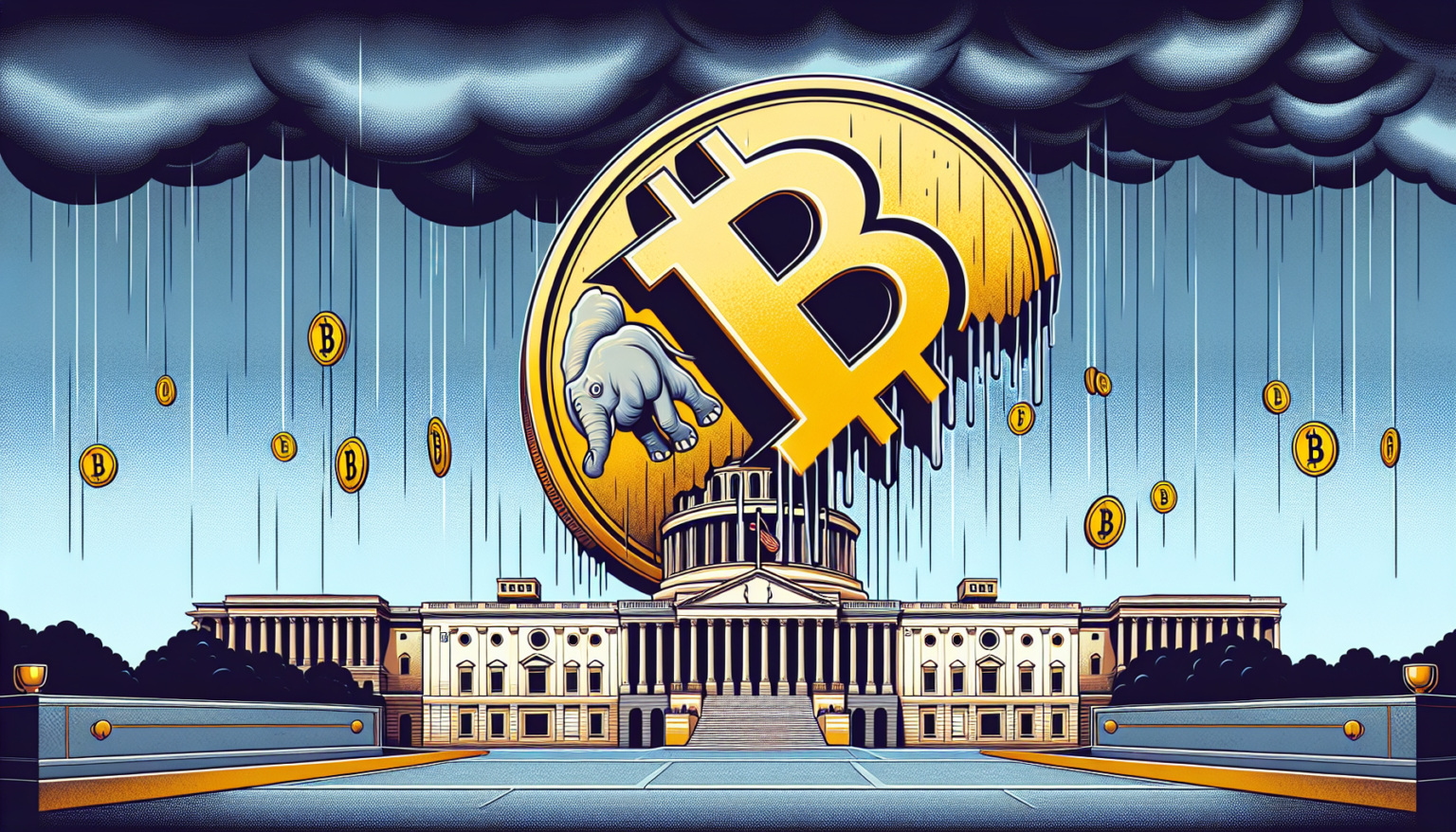
In the ever-evolving landscape of cryptocurrencies, controversies often shape the narratives that define the market’s trajectory. One such heated discussion has emerged from Charles Hoskinson, the co-founder of Cardano and a prominent figure in the blockchain community. Hoskinson recently argued that the emergence of the TRUMP token significantly impacted the crypto industry, costing the Republicans a critical 70-vote Senate win and precipitating what he termed a “Bitcoin-only crisis.”
The Context of the TRUMP Token
The TRUMP token is a cryptocurrency that emerged during the recent political climate surrounding former President Donald Trump. It was launched by various supporters as a means to capitalize on Trump’s polarizing brand and to rally funds for political campaigning and initiatives. While enthusiasts viewed the token as a means to democratize political contributions, skeptics quickly raised concerns about the ethical implications and the impact on broader crypto market perceptions.
Hoskinson’s position suggests that the TRUMP token’s introduction shifted the focus of both investors and regulators, leading to a significant disruption in an already volatile market. He posited that the crypto community, fractured by the emergence of this politically charged token, played a pivotal role in the Republicans losing crucial seats in the Senate.
A 70-Vote Senate Win Lost
According to Hoskinson, the political implications of crypto go beyond finance; they reach into governance and public perception. He argues that the sheer chaos and divided loyalties created by tokens like TRUMP may have discouraged traditional Republican voters, many of whom might have supported crypto projects in general, from casting their votes. This disenfranchisement possibly contributed to a scenario in which Republicans failed to secure a commanding majority in the Senate, thereby losing potentially critical votes on legislation that could have favored broader crypto adoption and regulation.
The fallout from the TRUMP token, in Hoskinson’s view, exemplifies how the intersections of politics and cryptocurrency can wield considerable influence over national electoral outcomes. The crypto ecosystem, which thrives on innovation but is often marred by speculation and ethical concerns, may be pushing potential allies into hesitant stances or outright opposition.
A Bitcoin-Only Crisis
The ramifications of the TRUMP token’s influence on Senate dynamics extend into what Hoskinson describes as a “Bitcoin-only crisis.” This crisis, according to him, is characterized by a growing faction within the crypto community that advocates strictly for Bitcoin, sidelining other cryptocurrencies, including those that aim to provide scalable, inclusive technologies.
The rise of Bitcoin maximalism has been a point of contention within the broader crypto space. Proponents argue that Bitcoin remains the most robust and secure cryptocurrency, positioning itself as “digital gold” in the face of inflation and fiat currency risk. However, this viewpoint also means that alternative projects—like Hoskinson’s own Cardano—face increased scrutiny and skepticism, often regarded as misguided or unnecessary distractions from Bitcoin itself.
Hoskinson believes that this division could hinder innovation and development within the wider cryptocurrency landscape. He argues that the community needs to foster collaboration rather than division, emphasizing the importance of multiple blockchain projects working in unison to create a more robust, inclusive digital economy.
Looking Forward
As the crypto world grapples with its challenges and opportunities, leaders like Charles Hoskinson will undoubtedly continue to shape the conversation around the role of politics in the cryptocurrency industry. The lessons learned from the controversies surrounding the TRUMP token serve as a reminder of the intricate ties between political movements and financial technologies.
For investors, stakeholders, and members of the community, understanding these dynamics will be key in navigating the ever-complex world of crypto. As the debates continue, the stakes remain high—not just for the currencies themselves but for the broader implications they hold for governance and the future of financial systems worldwide. Whether the market can move past the disruptions of tokens like TRUMP and foster an environment where innovation and ethical practices coalesce will be pivotal in the months and years to come.