






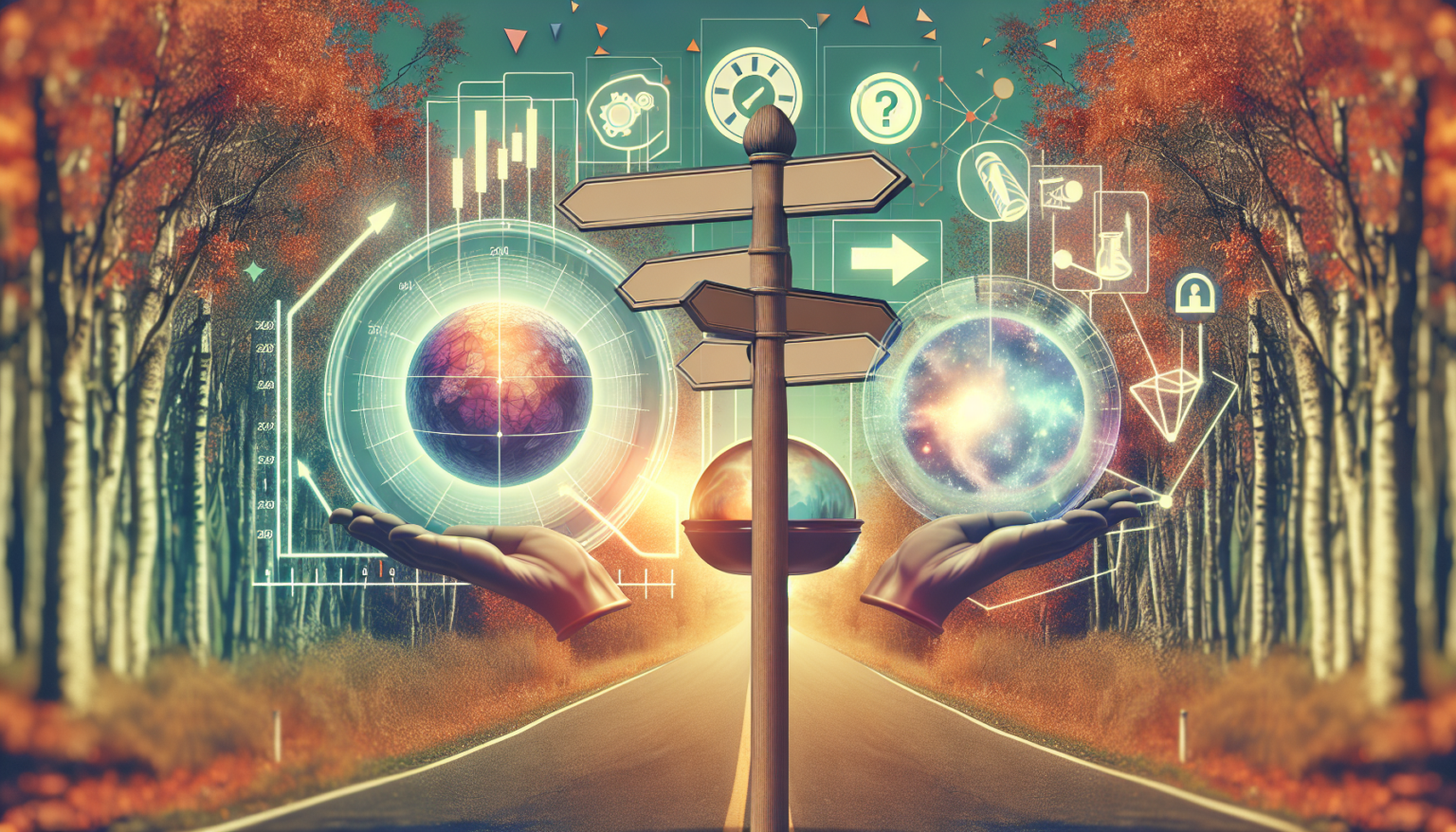
Checkpoint #7: November 2025 – Navigating Challenges and Embracing Opportunities
As we approach November 2025, businesses, communities, and individuals find themselves at a pivotal moment in a rapidly evolving landscape. The culmination of advancements in technology, shifts in societal norms, and challenges posed by environmental changes have created a complex backdrop for this checkpoint. Here, we delve into the key themes shaping this period and the potential opportunities that lie ahead.
Technological Transformation
The advancements in technology continue to reshape every aspect of life. By November 2025, artificial intelligence (AI) and machine learning have permeated numerous industries, driving efficiency and innovation. Automation has transformed traditional job roles, prompting a dynamic workforce realignment. Companies are prioritizing upskilling and reskilling their employees to ensure competitiveness in an increasingly automated world.
Moreover, the integration of the Internet of Things (IoT) has revolutionized how we interact with our environments. Smart cities are becoming more prevalent, using data to improve infrastructure, reduce waste, and enhance the quality of life for residents. However, this technological reliance also brings forward challenges in terms of cybersecurity and data privacy, necessitating robust frameworks for protection.
Societal Shifts
In November 2025, we witness significant societal changes. Movements advocating for social justice, equality, and mental health awareness have gained momentum, influencing corporate policies and government regulations. Organizations are increasingly expected to take a stand on critical issues, aligning with consumers’ values to build brand loyalty.
Work-life balance continues to be a prominent theme as hybrid work models become the norm rather than the exception. Employees prioritize flexibility and well-being, prompting companies to adopt policies that support mental health and foster an inclusive workplace culture. As the demand for purpose-driven work rises, organizations that invest in their employees’ holistic well-being are likely to thrive.
Environmental Imperatives
The urgency of addressing climate change has taken center stage, with global initiatives intensifying by November 2025. Governments and corporations alike are setting ambitious sustainability targets, shifting towards renewable energy sources, and promoting circular economies. As extreme weather events become more common, the focus on resilience—both in infrastructure and community planning—is paramount.
Individuals are increasingly making conscious choices about their consumption patterns, influenced by a growing awareness of environmental issues. Brands that demonstrate transparency and commitment to sustainability are gaining traction with environmentally conscious consumers, reshaping market dynamics.
The Road Ahead: Embracing Opportunities
With challenges come opportunities. As we reflect on the state of the world in November 2025, several key strategies may help navigate this landscape:
-
Innovation and Collaboration: Fostering innovation through collaboration across sectors can lead to creative solutions for societal and environmental challenges. Cross-industry partnerships can leverage diverse expertise and resources.
-
Investment in Skills: Organizations must prioritize continuous learning and development to equip their workforce for the changes brought about by automation and AI. Creating a culture of lifelong learning can enhance overall productivity and adaptability.
-
Focus on Sustainability: Companies should integrate sustainable practices into their business models. Not only does this align with consumer preferences, but it also mitigates risks associated with climate change and resource scarcity.
-
Enhancing Community Engagement: Building strong community ties can create a support system that fosters resilience amid challenges. Engaging with local stakeholders ensures that initiatives are relevant and impactful.
Conclusion
As we stand at Checkpoint #7 in November 2025, it is evident that we are navigating a time of profound transformation. Embracing these changes—from technological advancements to societal shifts and environmental responsibilities—requires proactive approaches and an openness to adapt. By prioritizing innovation, collaboration, sustainability, and community engagement, we can not only overcome challenges but also seize the myriad opportunities that lie ahead. The future is not just something that happens to us; it is something we actively shape through our choices today.